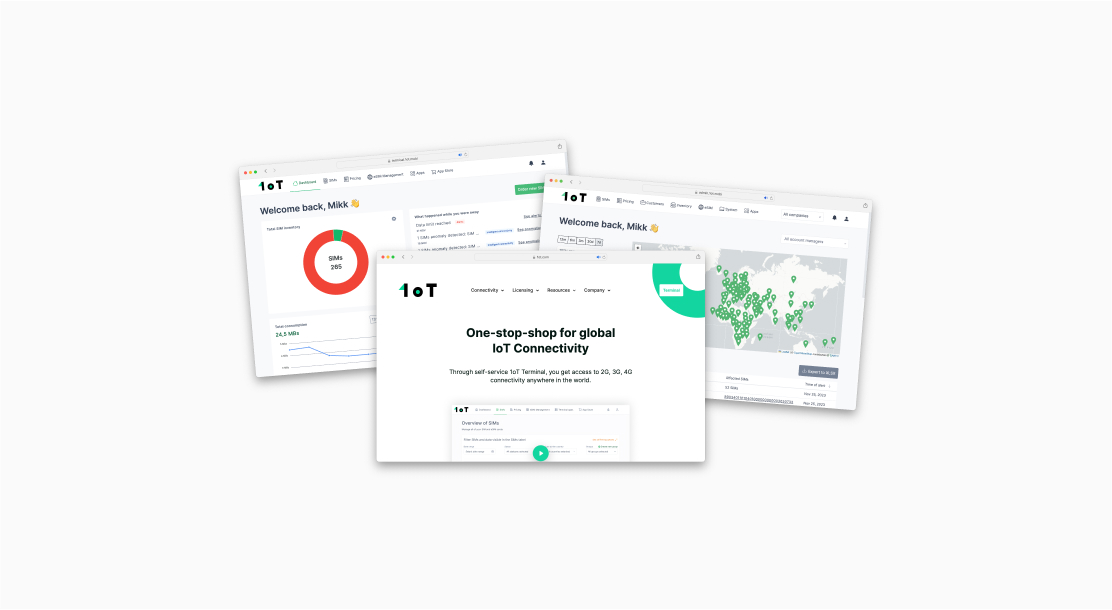
Last updated December 2023
At 1oT, I sit at the intersection of design, business, and technology. In a small, ambitious team, I’ve worn many hats and shaped a role that fits my skills, character and interests.
Week to week, I move between product strategy, design critiques, comms, leadership alignment, and Figma deep-dives. The constant thread: I care about the entire customer journey, from first contact to long-term trust.
About 1oT
1oT helps companies connect smart devices to internet. We’re an independent provider with our own eSIM infrastructure, connectivity management platform, and wholesale telecom partnerships.
For customers, that means no more juggling contracts, outdated portals, or opaque billing, just one interface to run a global IoT business.
Shaping the product
Leadership
I’m a hands-on leader who uses design to differentiate the product and grow revenue
As part of the leadership team, I:
- Shape product strategy and roadmap investments
- Improve internal processes as we scale
- Align the company around customer experience
- Guide teams to do meaningful, high-quality work
I have learned that communication is key: keeping customers engaged, keeping the sales team informed about product development timelines, and ensuring that the core team is aligned on what we’re building and why.
Operational cadence
Over time, we’ve developed a product rhythm that fits our size and ambition. It’s inspired by dozens of sources (some remembered, some not), but ultimately built for how our team thinks and works.
It looks something like this:
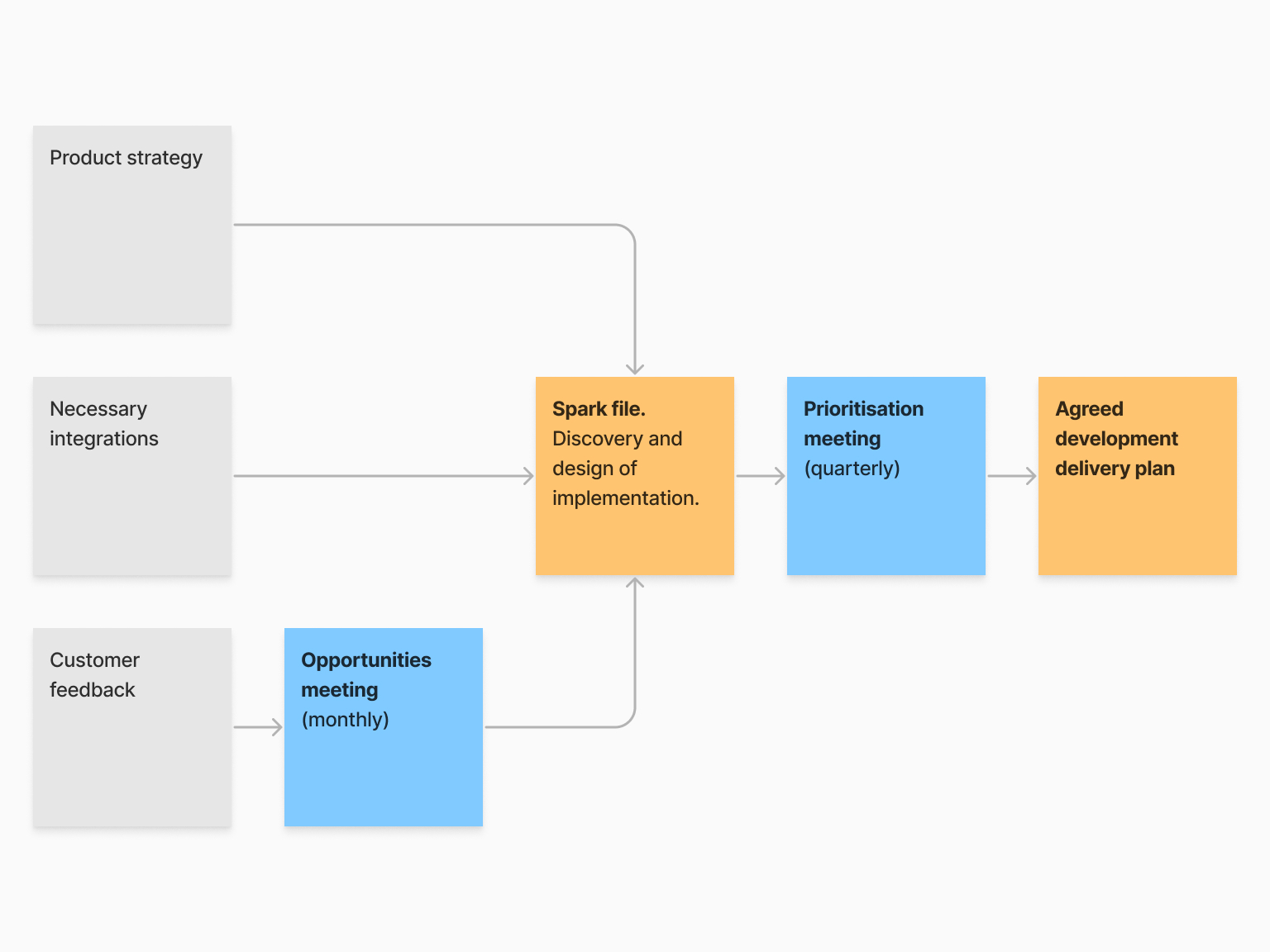
This cadence gives us enough structure to stay aligned, but enough agility to move fast and adapt. And by inviting contributions early — especially during discovery — we surface better ideas and reduce rework later on.
My design process
I’m more architect than artist. I care how systems work, how features relate, and how clarity scales.
Most early ideation happens in FigJam. It’s simple and collaborative.Especially important is figuring out the relationship between features and the different types of users, the so-called navigation system. This approach helped us ship large-scale products for enterprises and telecoms with a small team.

One thing I’ve worked hard on is making product discovery more collaborative. In a technical industry, expertise can become a gate. I’m often not the expert, which is why I seek early feedback from customers, engineers, account managers, and support to avoid blind spots.
Each new design goes through several rounds of Figma prototypes. I test specific workflows to confirm that users can reach intended outcomes logically.
Some beliefs that guide our work at 1oT:
- Design should never need a manual. Complexity is fine, confusion is not.
- Structure enables flexibility. Good information architecture unlocks simplicity and scale.
- Every screen should have a clear point. No noise, no ambiguity, just clarity in context.
We aim for a self-explanatory platform. Incumbent tools require training or documentation, we chose the opposite.
Good product design eliminates the need for an instruction manual.
That principle shows up in how we simplify screens, reduce cognitive load, and design for power users without overwhelming new ones.
Designing for dual audiences
The 1oT Terminal serves two major groups:
- Customer portal — where companies manage SIMs, troubleshoot, and monitor usage.
- Admin portal — where our internal team handles inventory, roaming, pricing, and support.
Both sides share infrastructure, but have radically different user goals. That’s why I’ve spent a lot of time thinking about hierarchy, permission systems, and feature parity, without mirroring the same interface blindly.
Some favorite product moments
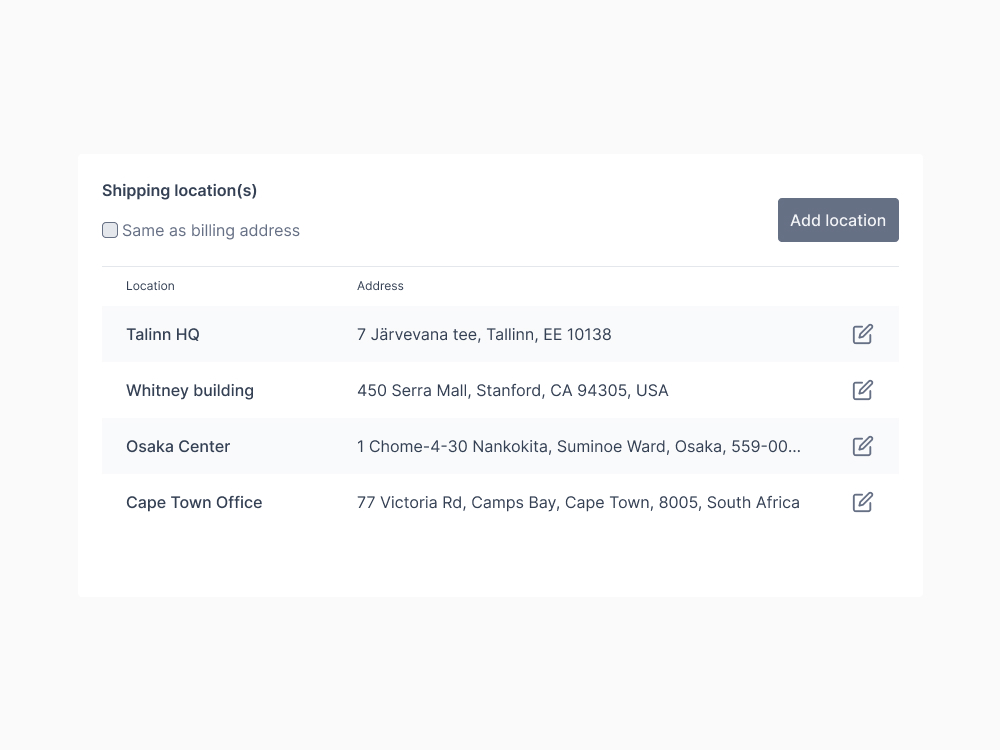
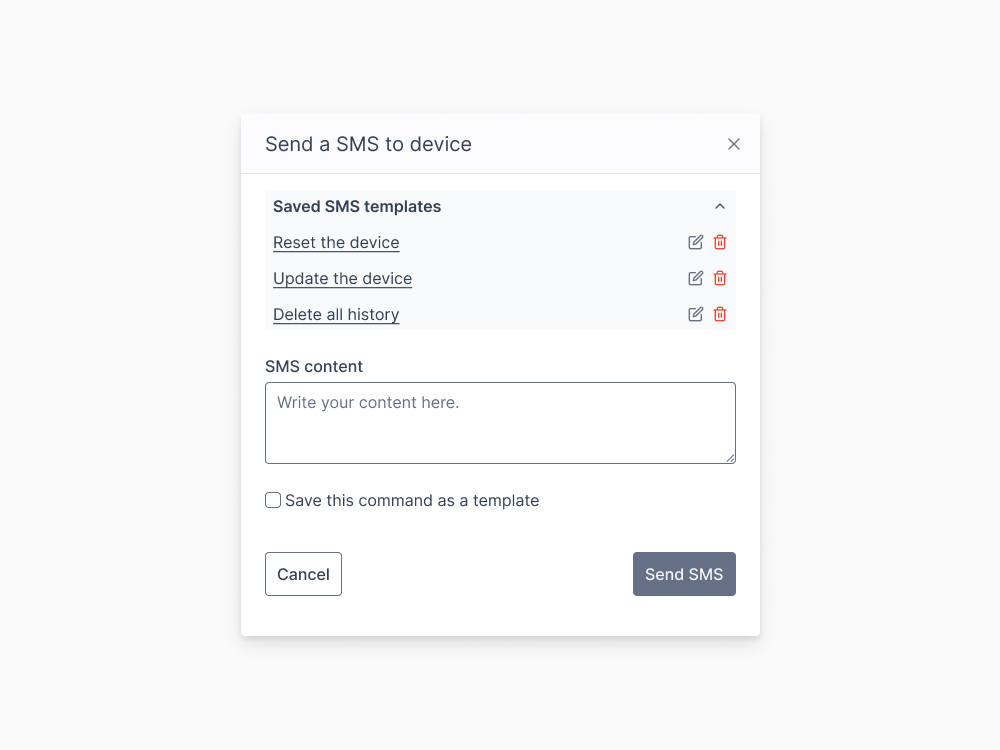
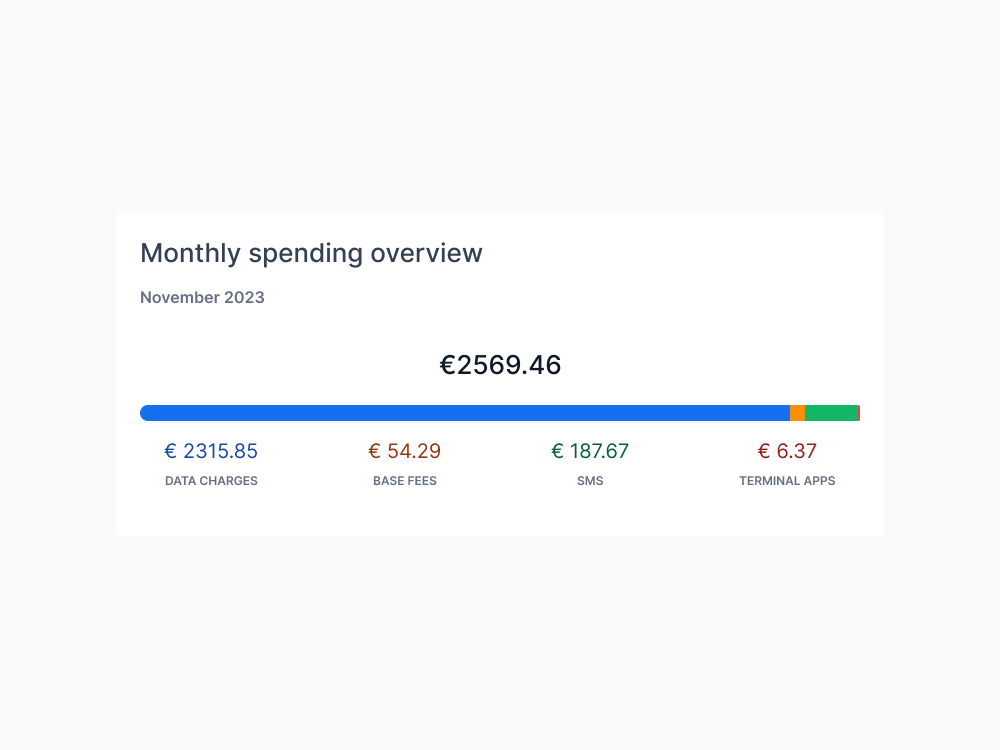
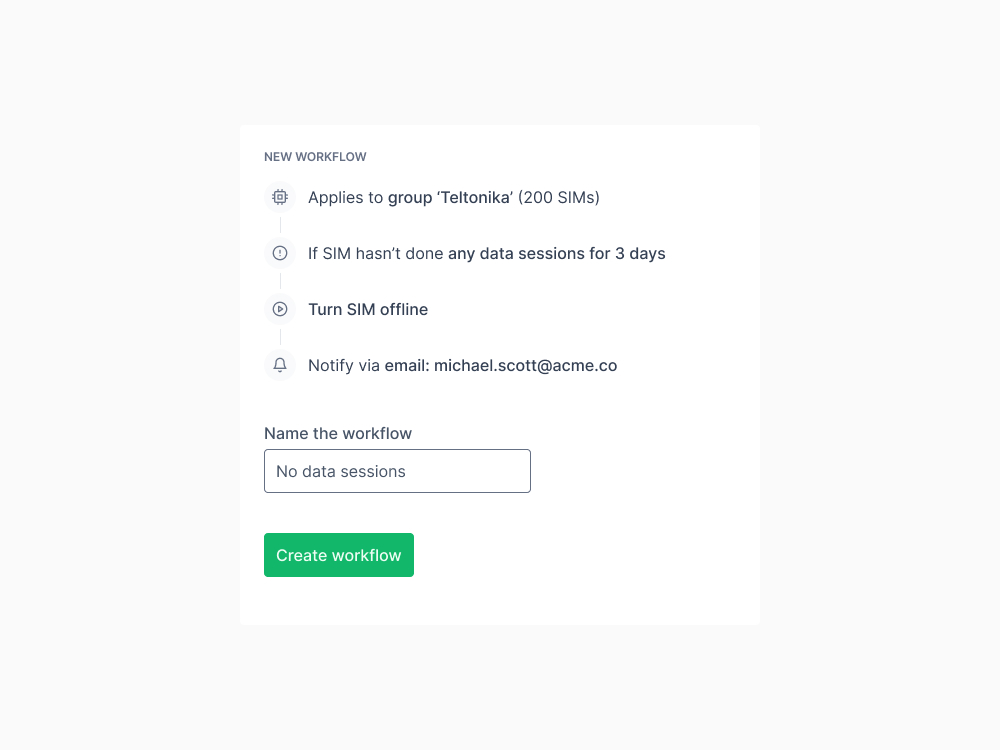
Many previously designed updates include sub-client app, eSIM management tool, workflow automation app, intelligent connectivity app and analytics app.
Here’s a changelog if you’re eager to discover more.