1oT created Build Connected to tell the stories of companies building connected products. We visited four of them across Europe to see what they make, what it takes to make it work, and how connectivity fits in.
I developed the original concept and name, wrote the narrative, scripts and launch copy, and created all static visuals. I also designed, built and launched build.1ot.com myself, using OpenAI Codex. ACube handled production, direction, filming and editing. The series is produced for 1oT with support from KPN IoT.
There is a bigger story behind the device
“Don’t you get bored working with SIM cards?”
I’ve heard some version of that question throughout my years at 1oT. The longer I work here, the more interesting the system around the SIM becomes. A connection has to work wherever a product ends up, within its power budget, for years after it leaves the factory. The people building these products have to make those decisions while figuring out everything else about their business.
I wanted to show that work. A sensor on a waste container looks ordinary. So does a small device monitoring a well. Behind each is a team changing how someone collects waste, maintains equipment or decides where to send people next.
Build Connected let us meet those teams, see their products in use, and ask the questions a product description leaves out.
Start with what the company is trying to do
My original proposal centred on visiting hardware companies and telling the story of getting their products connected and deployed. I outlined a structure for each episode: open with the product in action, understand the problem it solves, then explore the difficult parts of building and operating it.
For 1oT, the questions we asked were a way to show we understood these products. Connectivity is easier to explain when you can see what depends on it. The featured company’s work had to be interesting in its own right.
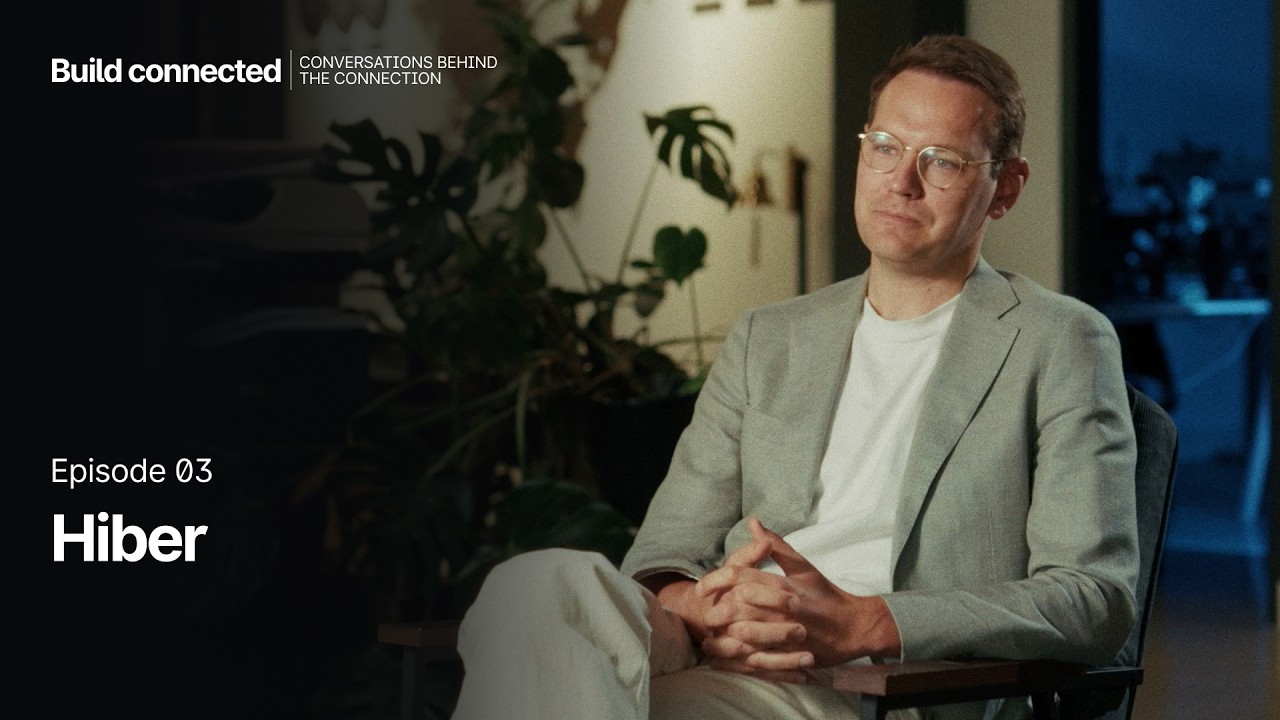
The first four episodes took us to Sensoneo in Bratislava, ChartWorld (part of Teledyne) in Hamburg, Hiber in Amsterdam and Starship Technologies in Tallinn. ACube turned the visits into films.
Different products, familiar challenges
The products had little in common at first glance: waste sensors, maritime navigation systems, remote monitoring equipment and delivery robots. Yet the conversations often came back to familiar product questions. What does the customer actually need? Which constraints should shape the solution? What happens when the first architecture no longer fits?
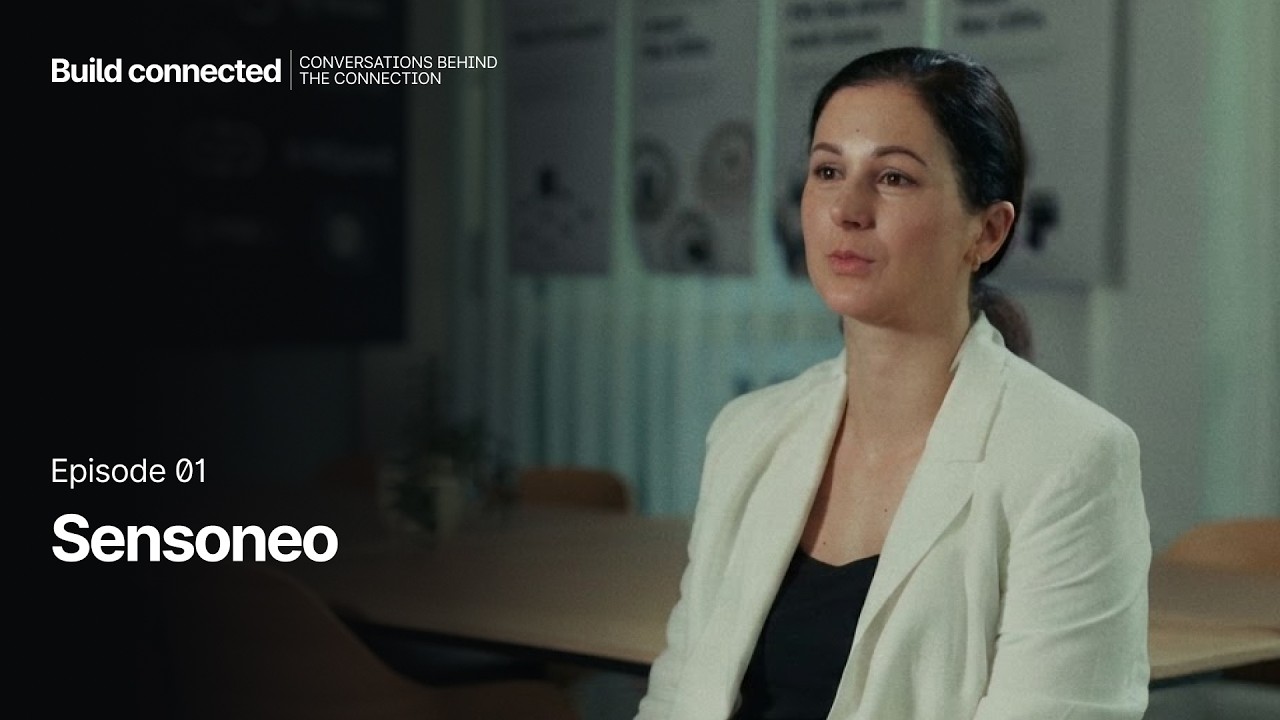
At Sensoneo, I was interested in how connectivity choices had evolved with the product. Sending a small reading from a bin was enough for an earlier version. As requirements grew, the ability to send updates back to devices in the field became more important. The earlier setup had done its job, and the product had outgrown it.
Starship faced another set of demands. A robot needs timely telemetry and a reliable connection for remote assistance. Larger datasets can wait until it returns to a station with Wi-Fi. Each kind of data gets the connection that suits it.
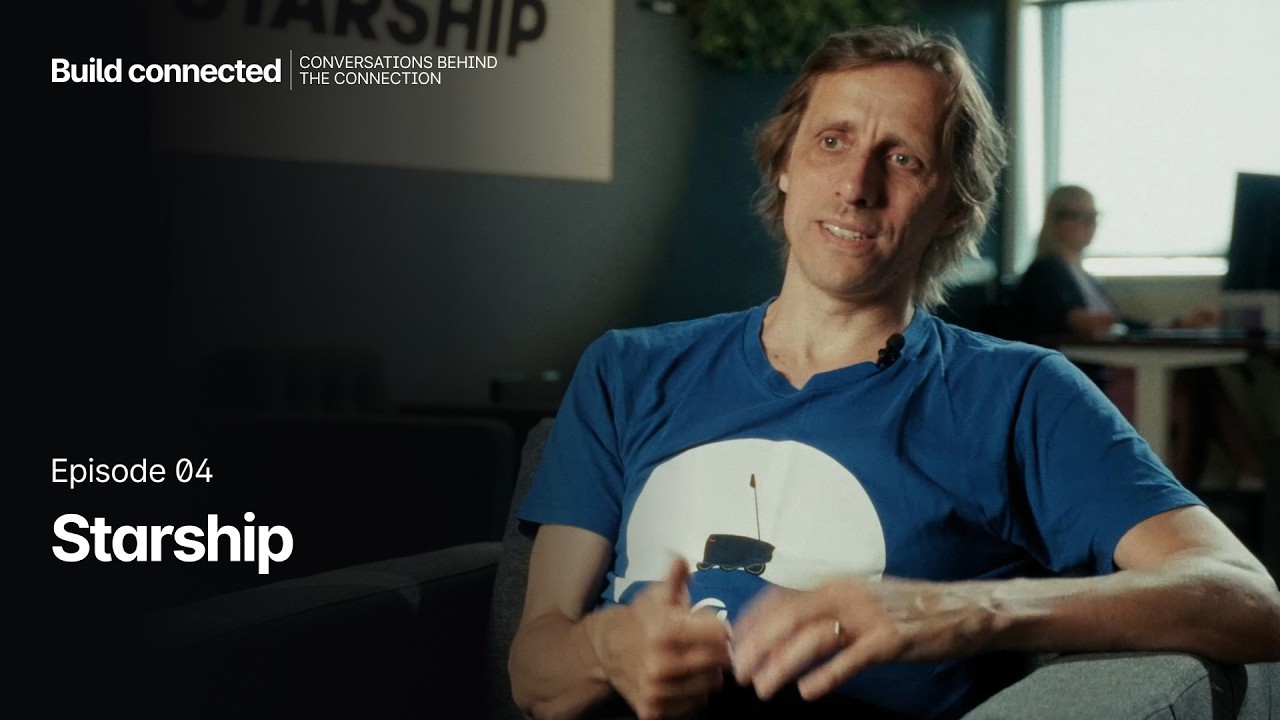
Watch the Starship Technologies episode →
These differences matter to a connectivity provider. A sensor that works unattended for years and a robot moving through a city need different kinds of support.
The visits also challenged my own assumptions. At ChartWorld, my impatience with the pace of technology adoption gave way to an appreciation for certification, crew training and safe migration. At Hiber, the useful question became how a few reliable readings could help someone decide whether a remote site needed a visit.
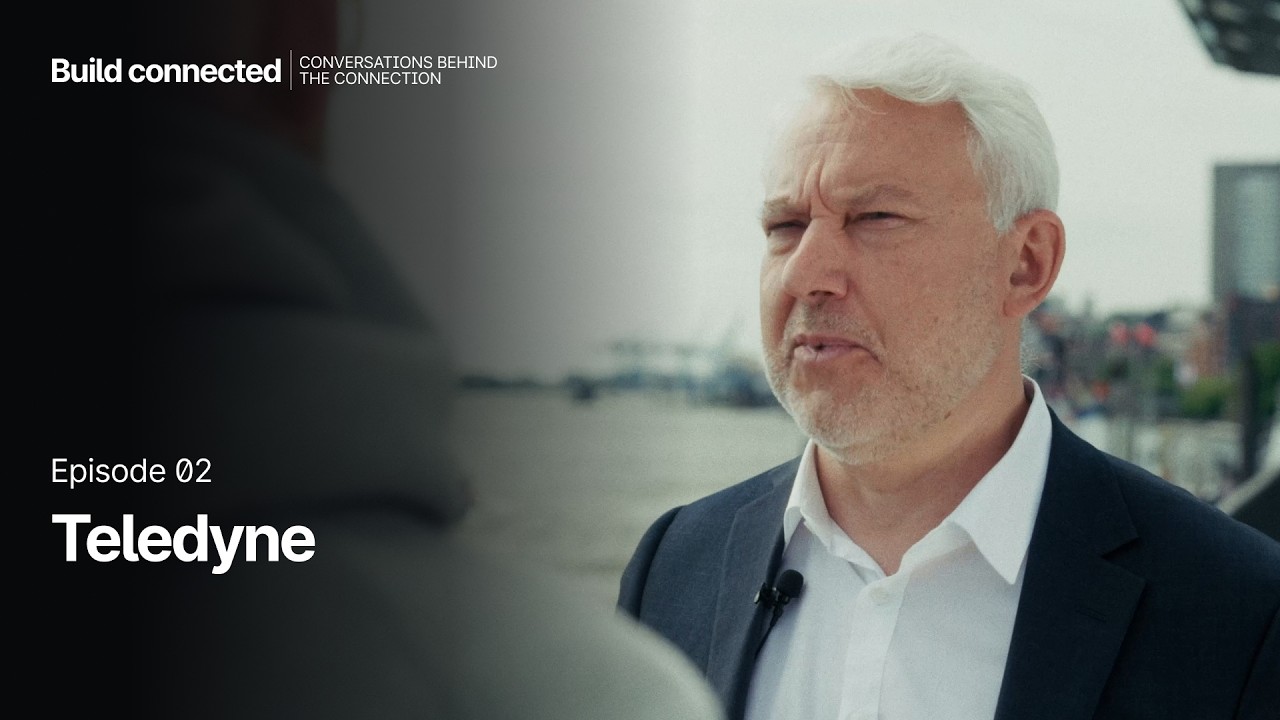
Watch the ChartWorld episode →
Giving the series a home
I carried the concept into the static visuals and the website, so the episodes shared an identity and had one place to be found.
I decided how the page should behave: one episode at a time, a rail of thumbnails to switch between them, and a premiere date on every episode that wasn’t out yet. Codex wrote the Astro code from that direction. I reviewed it, fixed what it got wrong, and handled the launch myself. Visitors can move between the companies, get a sense of each story, and watch an available episode in the page or on YouTube.
The weekly release schedule shaped the experience. At launch, visitors could watch the teaser and explore all four upcoming episodes. Each unreleased episode displayed its premiere date. As each episode went out, that space switched to playback.
Reception
The website and teaser launched on September 3, 2026. The four episodes followed weekly, from September 10 to October 1, supported by launch copy and static visuals. In the first two months:
- 346,980 impressions across LinkedIn, YouTube and the website
- 45,171 completed views of the short promo clips on LinkedIn.
For me, the most rewarding part has been getting closer to the work behind products I might otherwise have taken for granted. I live in Tallinn and rarely turn my head when a Starship robot passes. After visiting the team, I think not noticing the robot is the achievement. A lot of deliberate work goes into making that encounter ordinary, and that is the kind of story I wanted Build Connected to tell.